中文
中文
 English

Concept
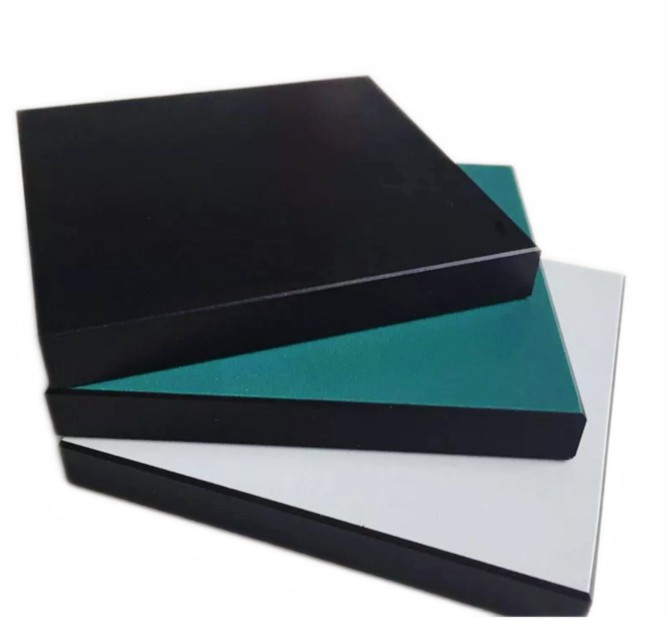
Phenolic chemical board is a corrosion-resistant board specially made for laboratories. It is made of multiple layers of high-quality kraft paper soaked in phenolic resin and decorative paper treated with melamine and special chemical materials. It is pressed under high temperature and high pressure. Its surface has been specially chemically treated to have stronger chemical corrosion resistance. It can be customized with 12.7-25mm thickness and different surface colors.

Process
Chemical resistant HPL board is made of multiple layers of high-quality kraft paper soaked in phenolic resin. This phenolic resin soaking creates a strong and resilient inner core. This core is then pressed under high temperature and high pressure. The surface is then covered with specially treated decorative paper to provide corrosion resistance and acid and alkali resistance.
Common size
Common sizes include 4*8, 5*10, 5*12, 6*10, and 6*12.
Common thicknesses include 12.7mm, 16mm, 19mm, and 25mm.
Advantages of Chemsurf HPL Laminate
Corrosion Resistance: The surface of the hpl board is specially chemically treated, resulting in strong resistance to chemical corrosion and stability even when exposed to corrosive substances.
Abrasion Resistance: Its hard and smooth surface withstands frequent use and cleaning without wear.
Scratch Resistance: The special surface structure of the compact hpl sheet makes it difficult to scratch or mar, preserving its aesthetic and practicality.
Moisture and Fire Resistance: The tight internal structure and phenolic resin impregnation make the chemsurf hpl laminate highly resistant to moisture and fire.
Application
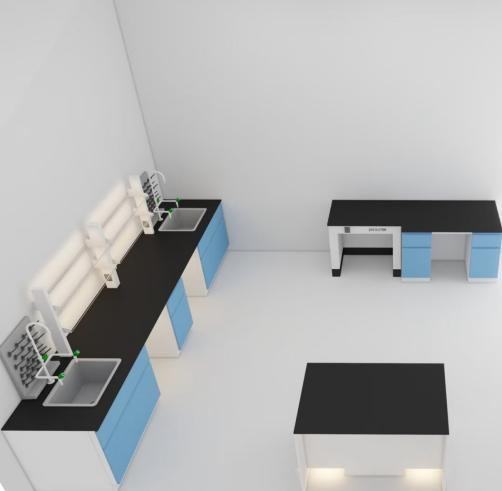
Medical industry, laboratories, CDCs, pharmaceutical factories, chemical plants

Transportation and maintenance
1) Do not expose to temperatures exceeding 135°C for extended periods of time;
2) Do not expose to excessive humidity for extended periods of time;
3) Do not expose to open flames, molten metal, metal sparks, or direct sunlight;
4) Do not scratch the surface with sharp objects, and do not use it as a cutting surface;
5) The flame of a gas lamp or alcohol lamp can damage the surface; use a tripod to operate the lamp;
6) Immediately wipe away any chemical spills;
7) Corrosion-resistant solid-core PCBs can be cleaned with warm water, acetone, or a mild detergent. Avoid using abrasive or acidic detergents to avoid damaging the surface. For stubborn stains, apply hypochlorous acid to the contaminated surface of the PCB die and rinse with clean water.